Gérard-D. Lévesque Building – Ministère des Finances
- LocationQuébec (Québec)
- ClientSociété québécoise des infrastructures (SQI)
- yearOngoing
- TeamABCP + Architecture49 + DFS
Restoring a landmark to carry its legacy forward.
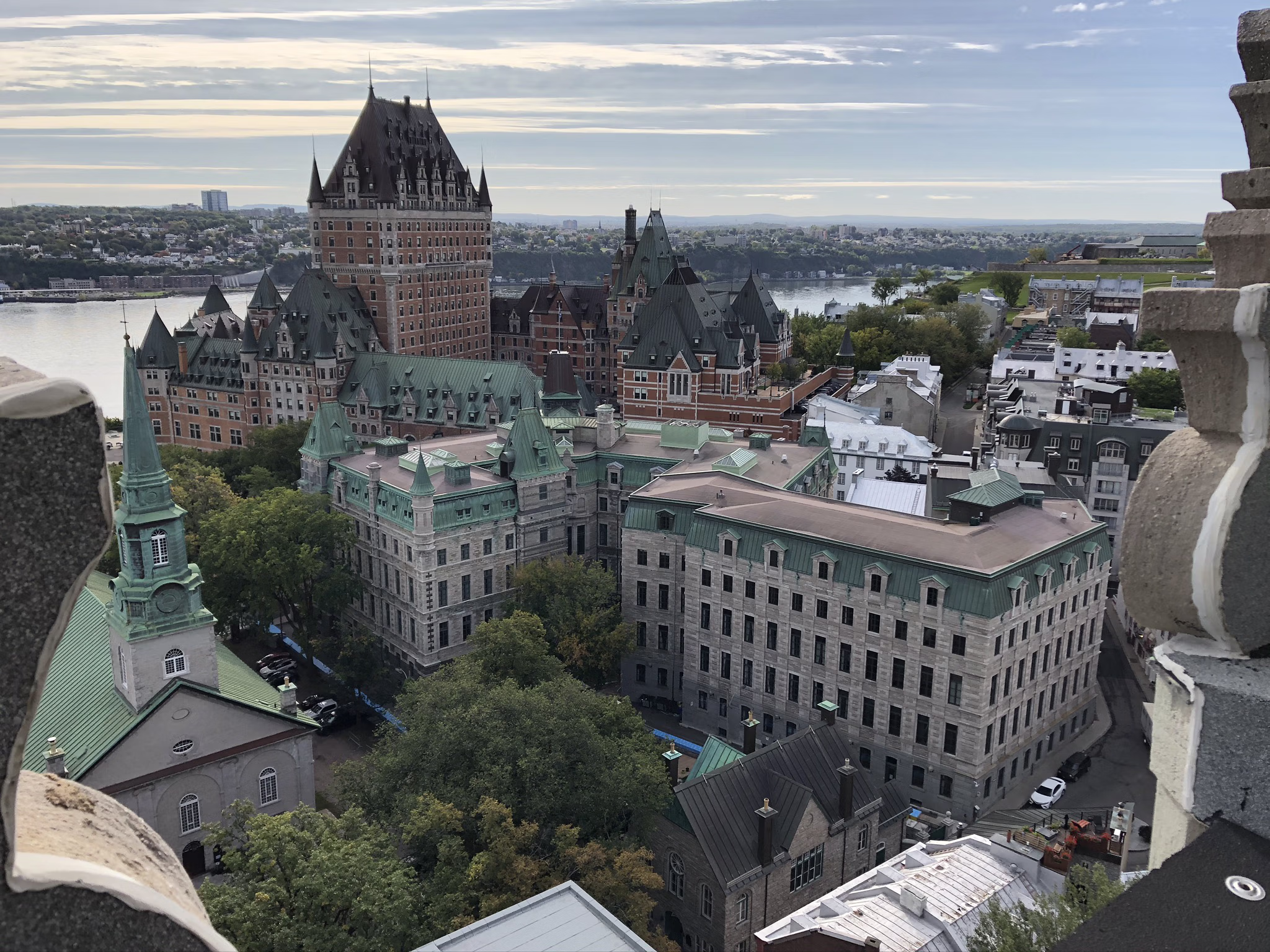
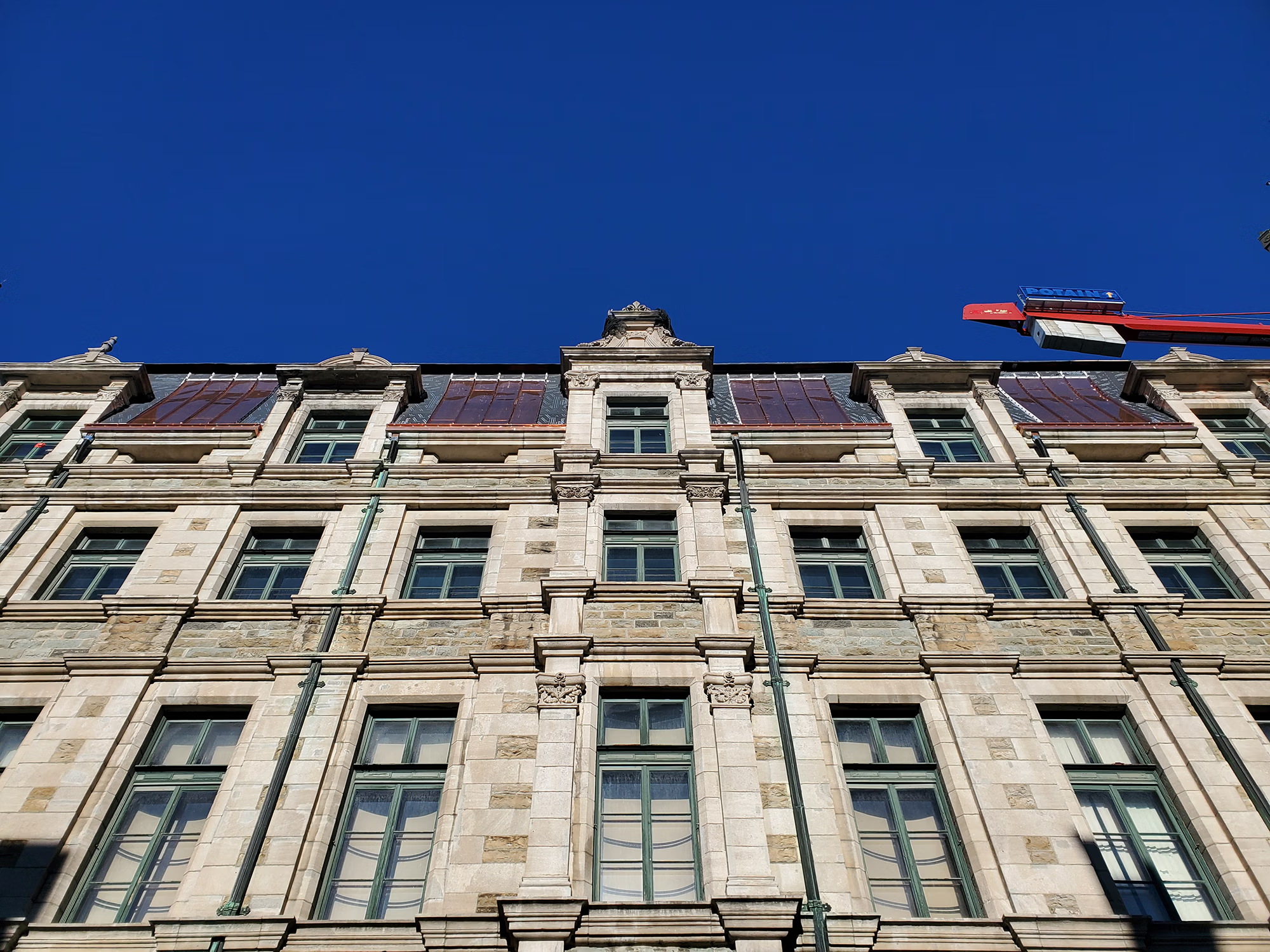
Intervening in the Gérard-D. Lévesque Building, the former Québec City Courthouse, means working with an architecture shaped by successive periods of transformation. The project approaches the building as a coherent heritage ensemble, from its monumental envelope to its interior detailing and furnishings. Rather than freezing the building in time, the restoration seeks to reveal its defining qualities while carefully integrating the transformations required to carry its story forward.
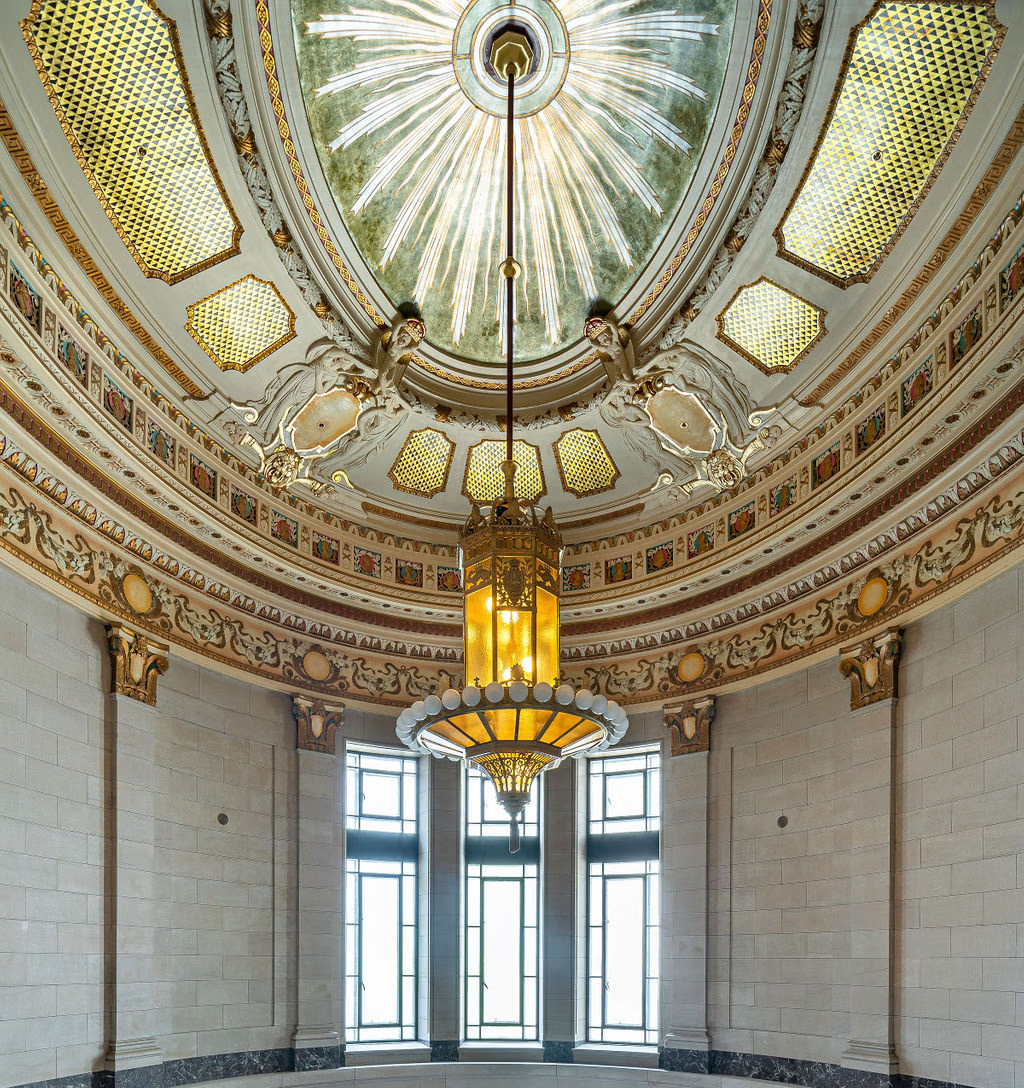
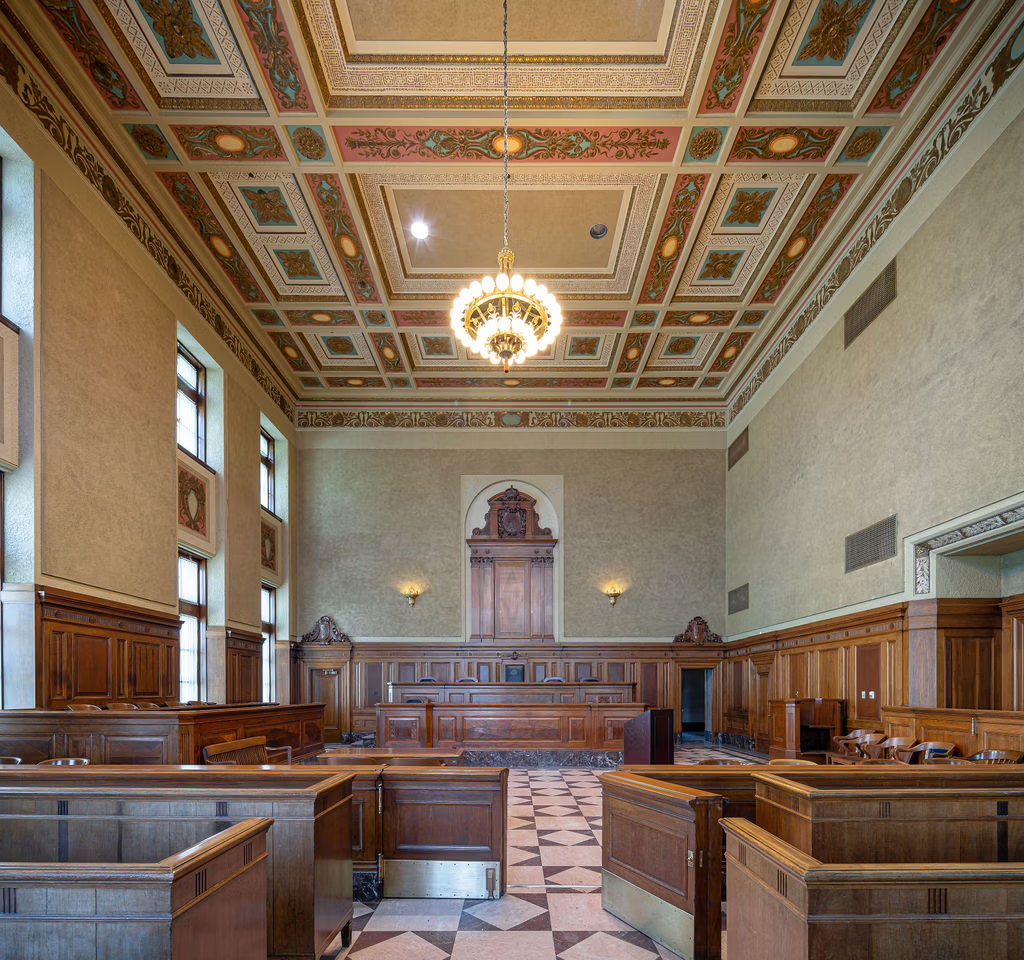
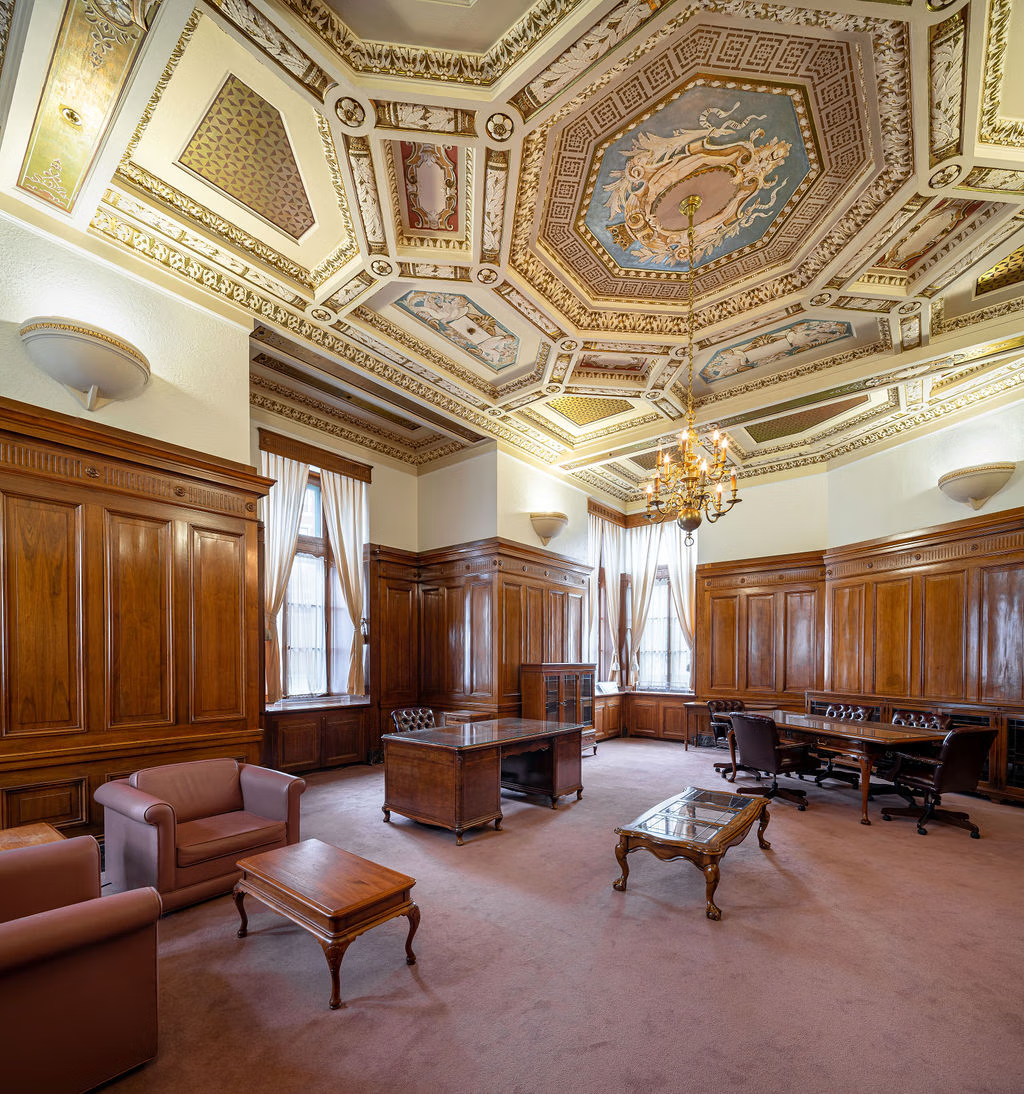
Built in 1887 in the heart of Old Québec and expanded in 1927, the building is distinguished by the richness of its composition and interiors : stone masonry, copper roofing, ornamental plasterwork, woodwork, marble, elaborate ceilings, lighting fixtures, and furniture together form a heritage ensemble of remarkable refinement. The project restores this materiality at every scale, from the exterior envelope to the interior spaces, guided by a conservation plan that establishes the heritage value of each component and defines the appropriate level of intervention. Character-defining elements are preserved, restored, or reinstated to maintain the legibility of the architecture and the continuity of its successive historical layers.
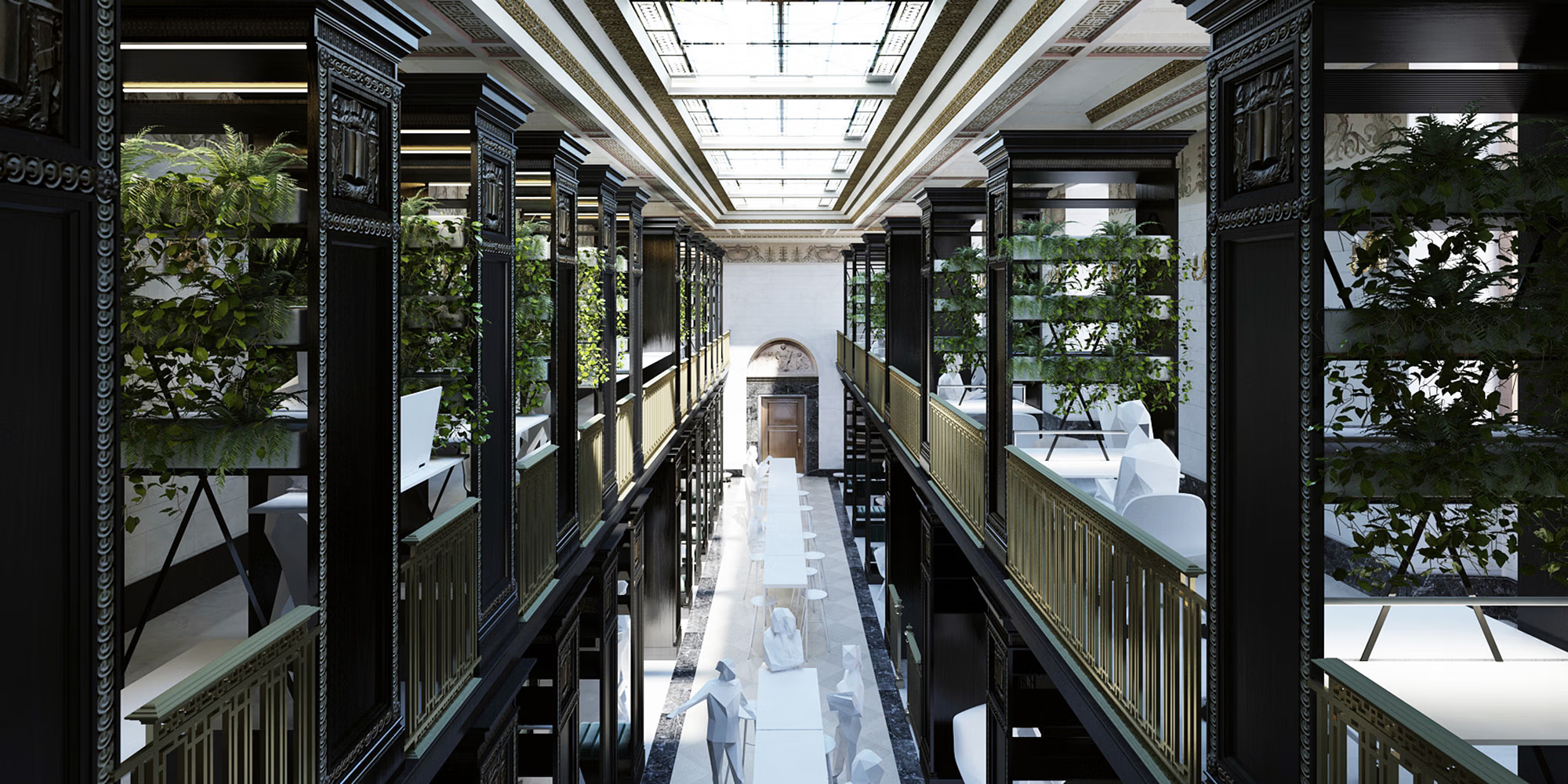
Within such a richly composed environment, integrating contemporary requirements becomes an exercise in precision and restraint. Seismic reinforcement, new mechanical, electrical, and telecommunications infrastructure, a freight elevator, an underground loading area, and technical spaces are incorporated while limiting their impact on the existing interiors and spatial volumes. Contemporary interventions therefore support the architecture rather than compete with it. The redesign of the workplace follows the same approach, adapting the building to evolving ways of working while preserving its spatial and material qualities and giving this Old Québec landmark a renewed life cycle.