Pied-du-Courant Complex
- LocationMontréal (Québec)
- ClientTélé-Québec and SODEC
- year2020
- TeamABCP + BGLA
- PHOTOStéphane Groleau
Reimagining a heritage landmark for today's cultural institutions.
The Pied-du-Courant Complex brings together history, culture, and innovation within a single architectural ensemble in the heart of Montréal. The rehabilitation of this landmark heritage site introduces new contemporary uses while carefully revealing the historical significance and material richness of its existing buildings.


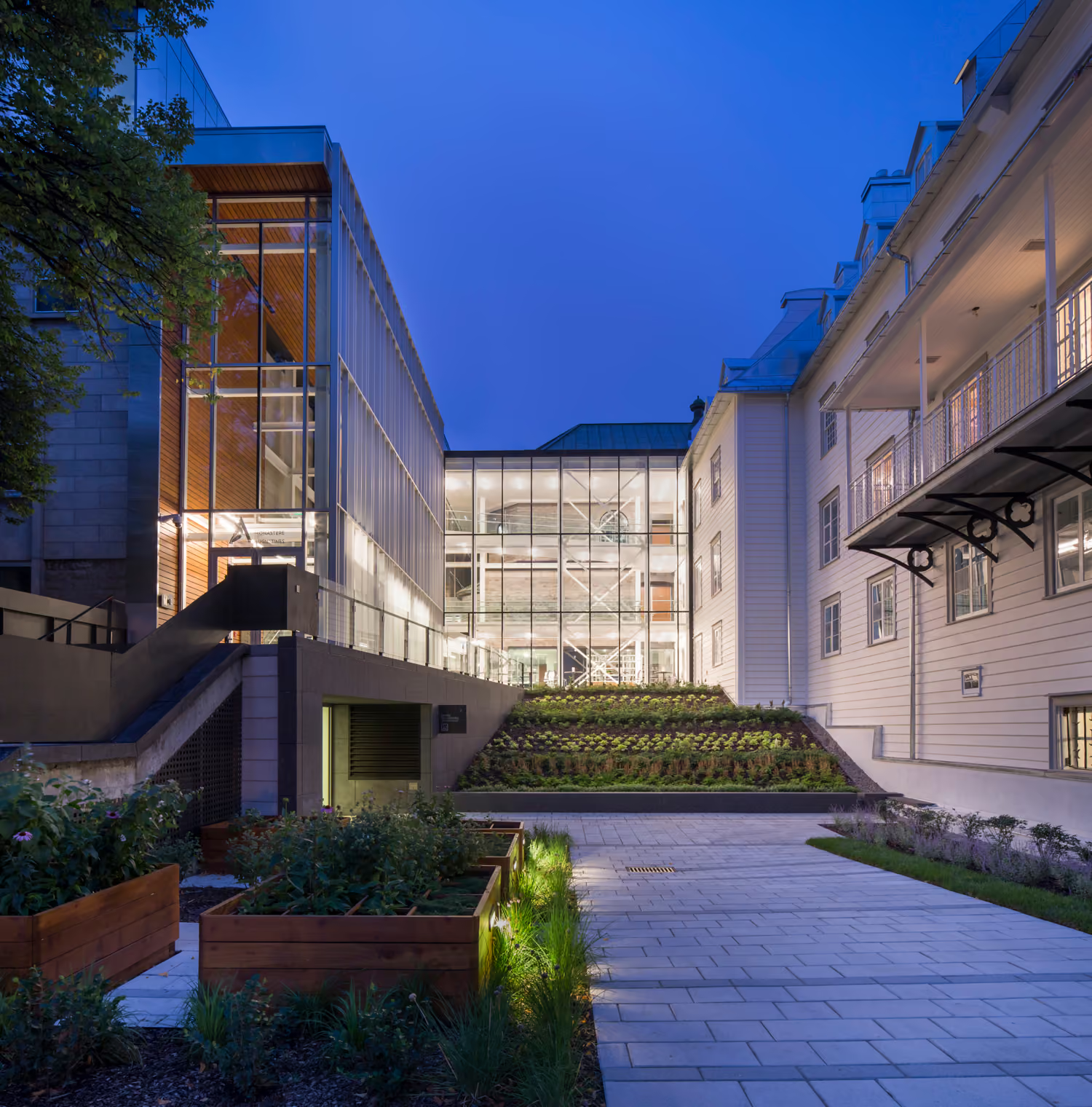
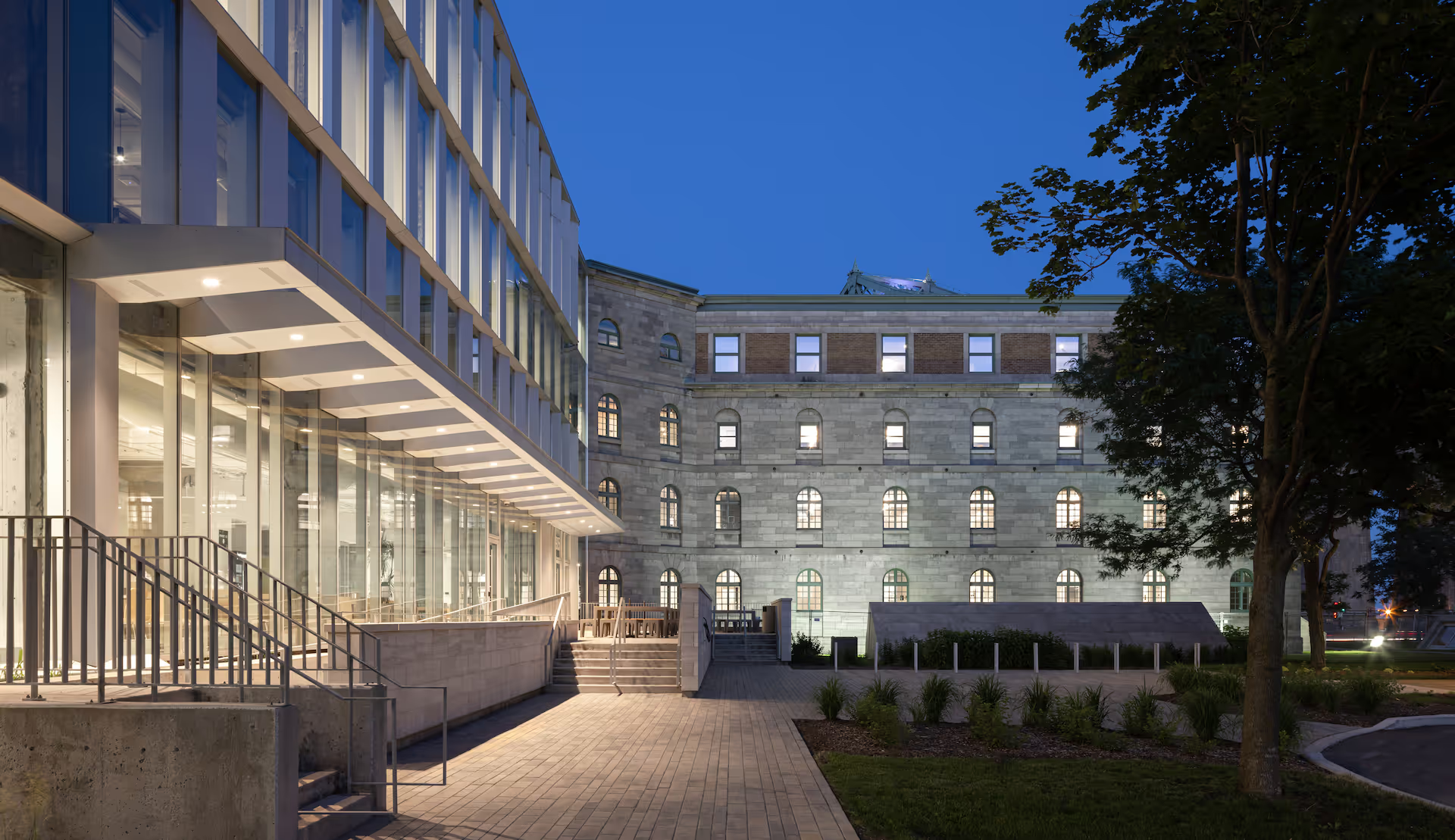
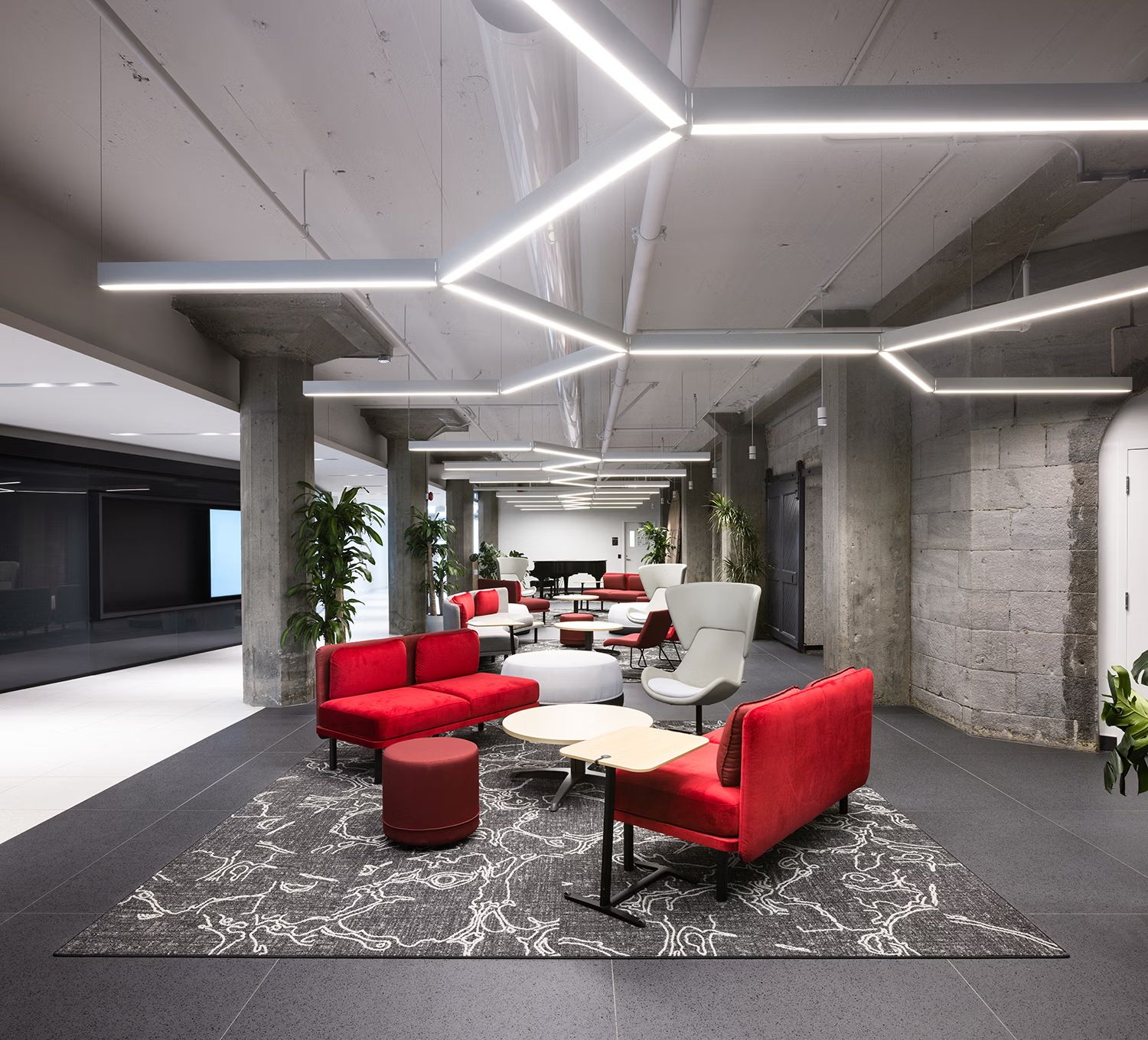
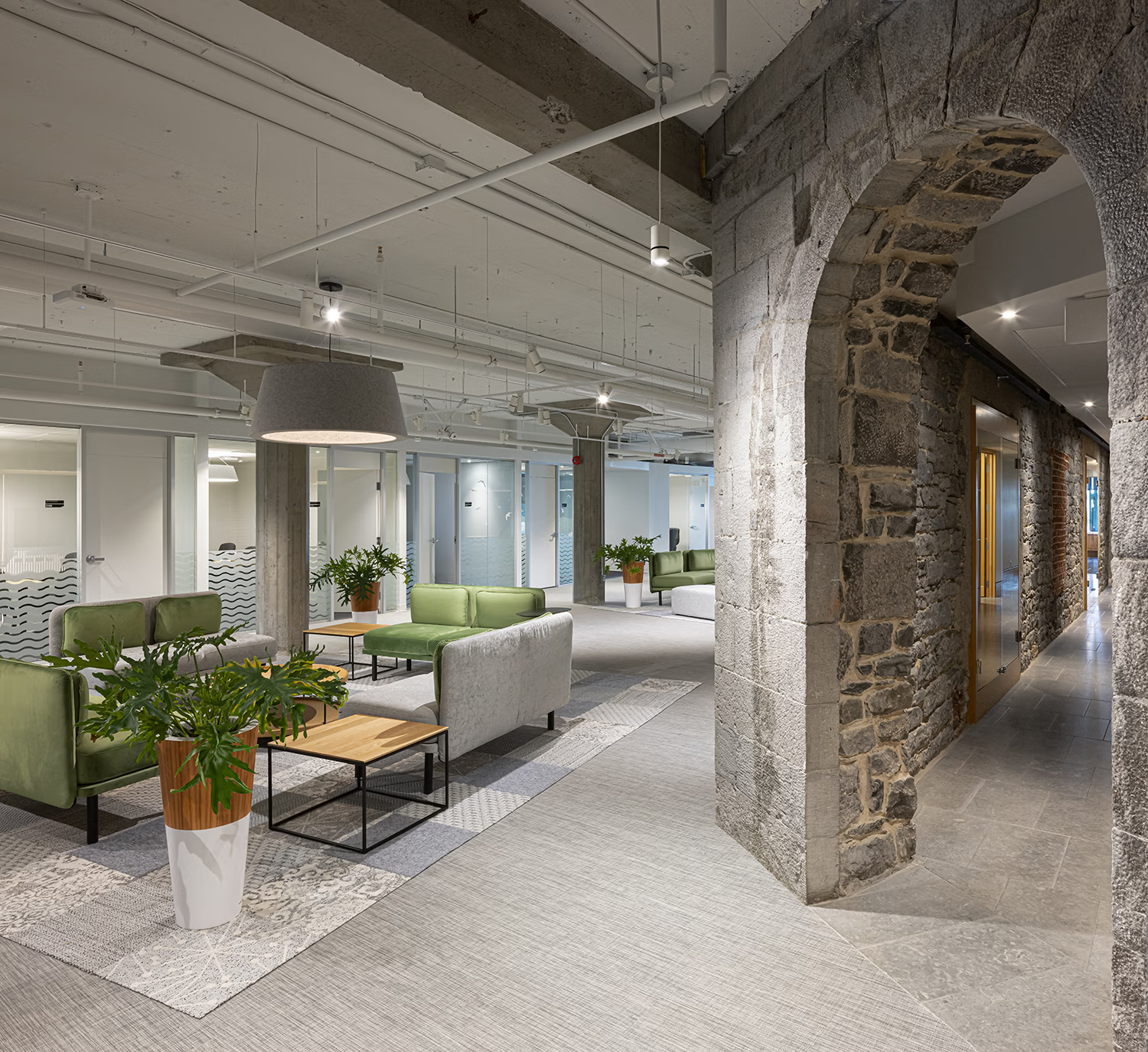
The project involved the adaptive reuse of a complex comprising the former Patriotes Prison, built between 1832 and 1840, and a warehouse constructed in 1921 for the Commission des liqueurs. Today, the complex houses the headquarters of Télé-Québec, SODEC, and several other cultural organizations within a contemporary activity-based workplace. Organized around four levels of interconnected atrium spaces that serve as hubs for circulation, collaboration, and informal gathering, the program also includes dining areas, meeting and videoconferencing rooms, specialized post-production facilities, and a major server room. Interior interventions celebrate the buildings' original exposed finishes, while natural daylight, acoustic comfort, and low-emission materials contribute to a healthy and inspiring work environment.

The architectural approach is defined by a deliberate dialogue between heritage and contemporary design. The deteriorated envelope of the former warehouse was replaced with a modern curtain wall that contrasts with the solid masonry of the historic stone prison while respecting its scale and rhythm. Horizontal metal bands align with those of the heritage building, establishing a subtle relationship between the two volumes that is further enhanced by reflections in the glass and anodized aluminum façade. This intervention revitalizes the site, significantly improvesthe complex's energy performance, and frames spectacular views of the Jacques-Cartier Bridge and the surrounding neighbourhood. The result is acohesive architectural composition in which each building retains its own identity while contributing to a renewed and unified whole.