New Liverpool Elementary School
- LocationLévis (Québec)
- ClientCommission scolaire Central Québec
- year2024
- TeamONICO+ABCP architectes
- PHOTOStéphane Groleau
Reimagining a modern heritage landmark.
Born from the transformation of a landmark community building in Saint-Romuald, New Liverpool Elementary School gives new life to a modernist structure dating from the 1960s. The project combines heritage rehabilitation, educational innovation, and environmental quality to create a bright, inclusive, and welcoming learning environment for a school community serving a broad geographic area.
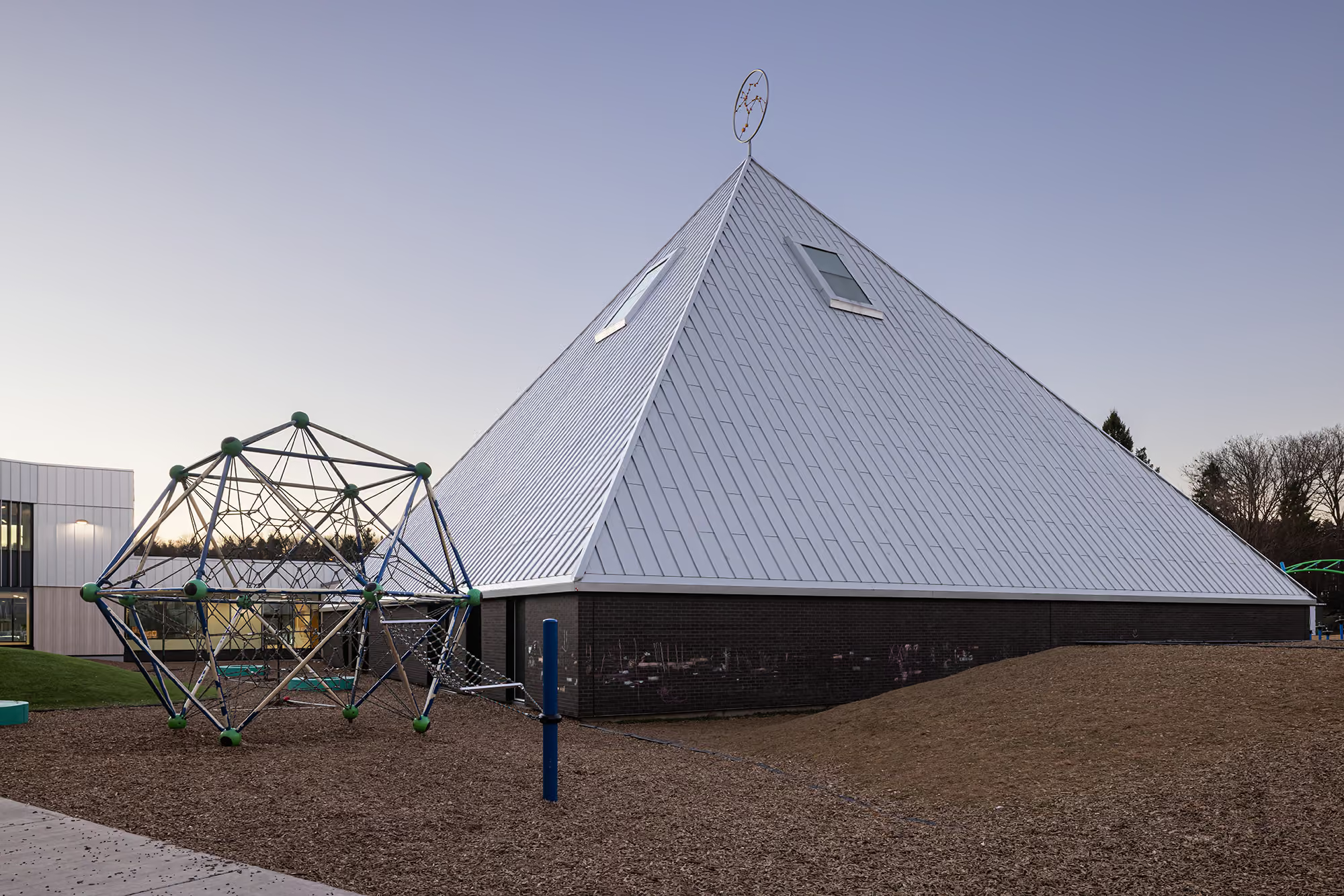
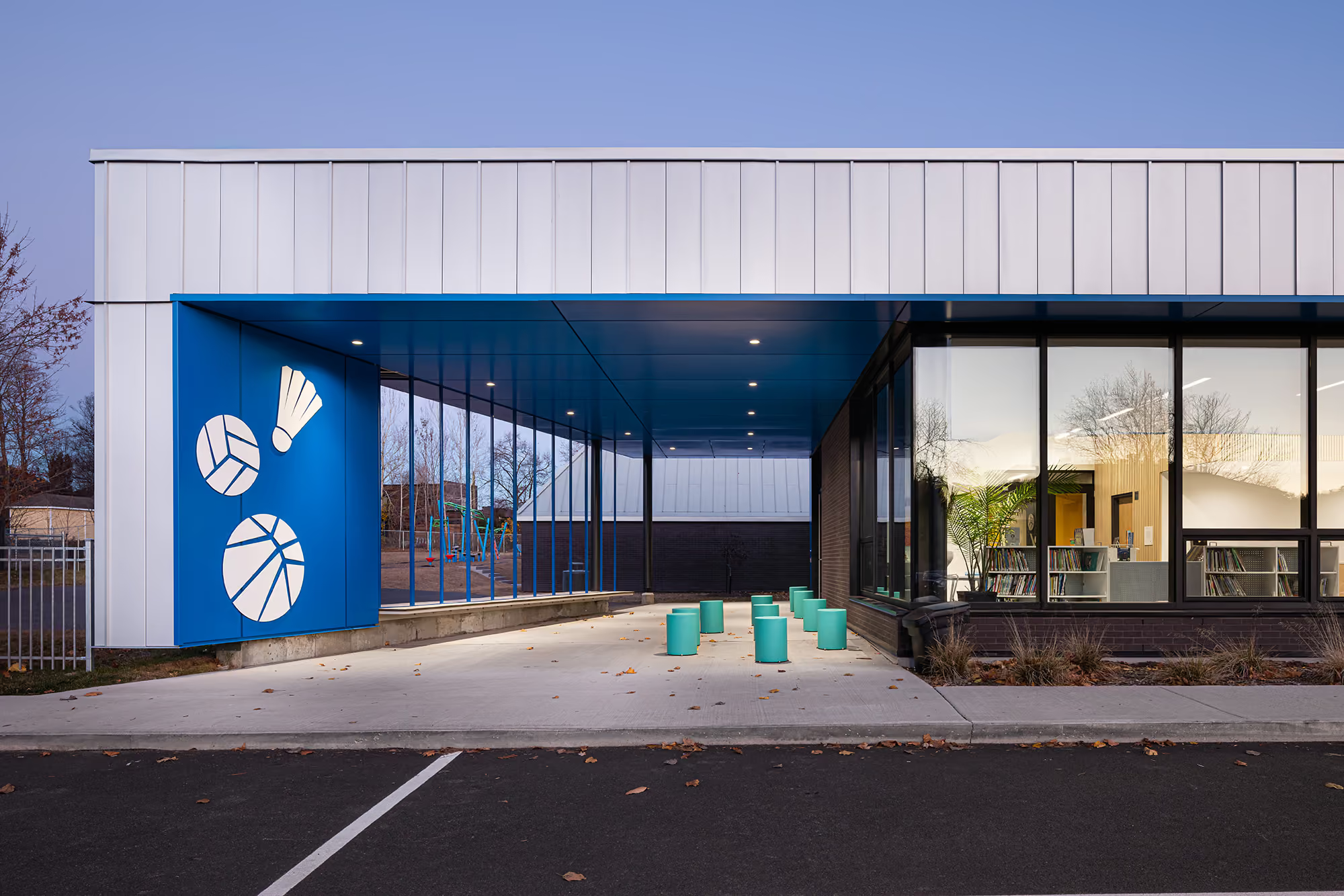
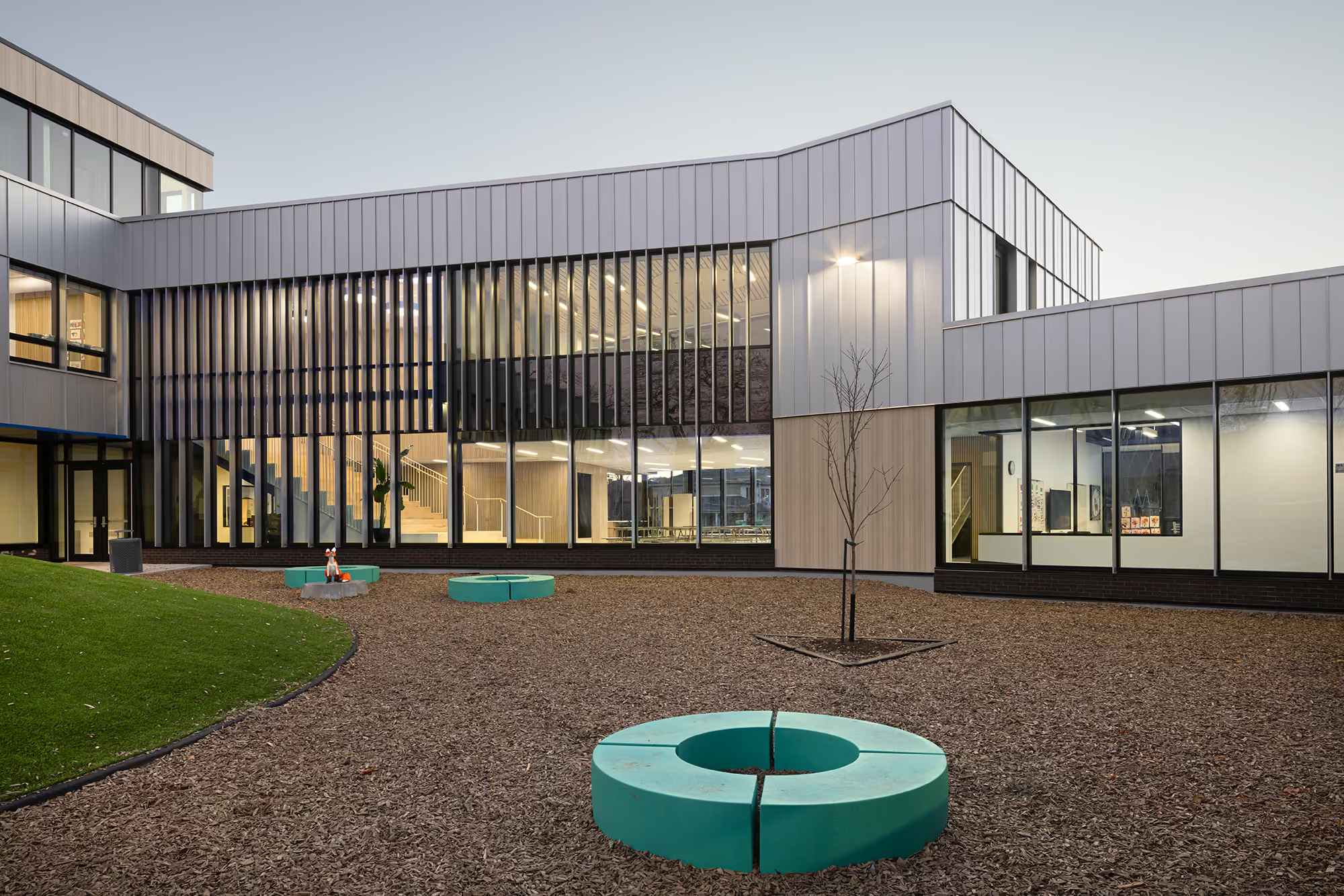
The school accommodates 12 elementary classrooms, four kindergarten classrooms, specialized learning spaces, a library, a daycare centre, a gymnasium, and a variety of collaborative areas. The existing pyramidal building, formerly used as a church and later as a community centre, has become the symbolic and functional heart of the project. Its restored glued laminated timber structure now houses the gymnasium, celebrating the architectural character of the original building. New learning pavilions are carefully arranged around this distinctive volume to create a sheltered interior courtyard while revealing and enhancing the presence of the heritage structure. Sloping rooflines, exposed timber decking, and the composition of the building volumes establish a thoughtful dialogue between modern heritage and contemporary architecture.

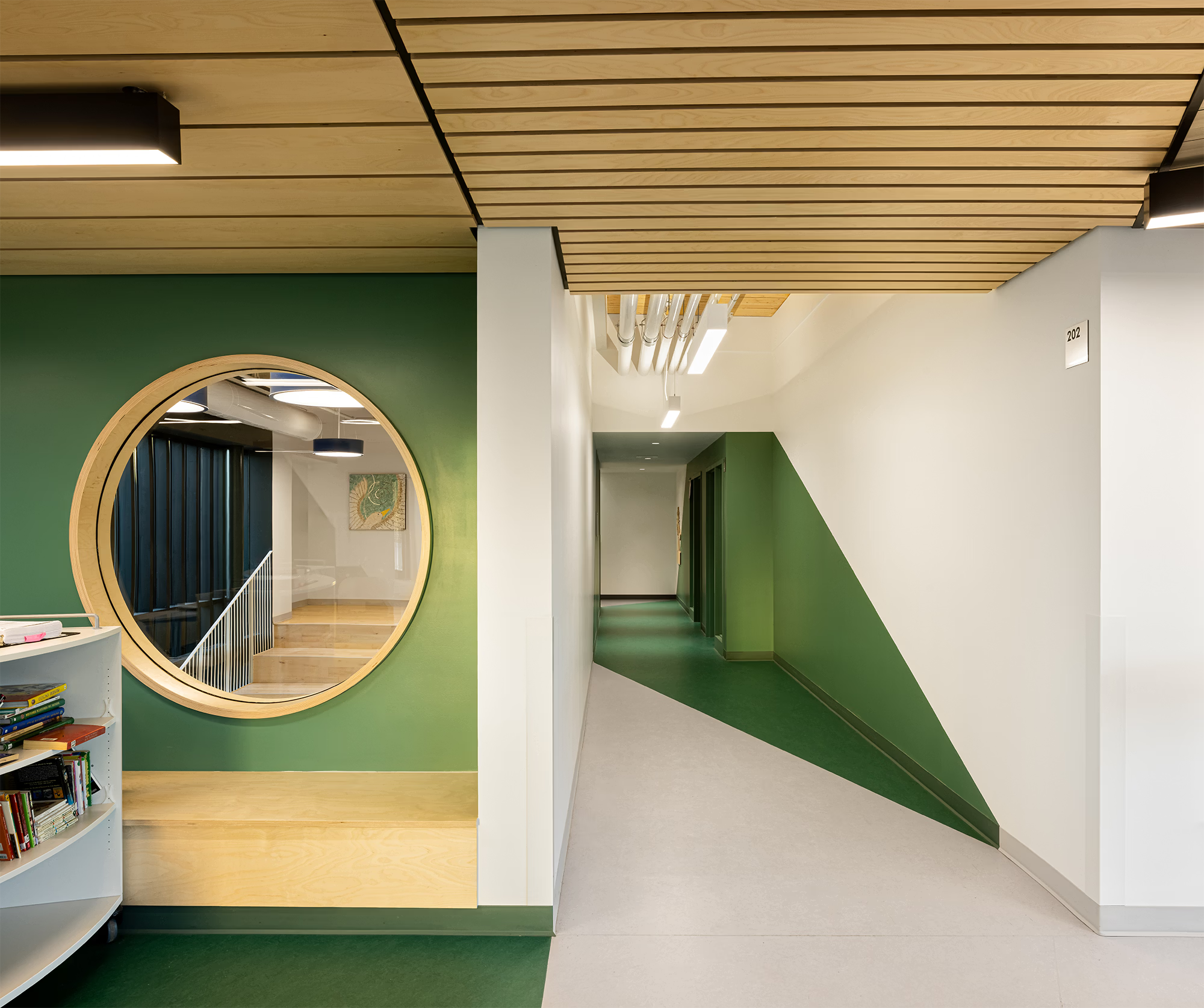
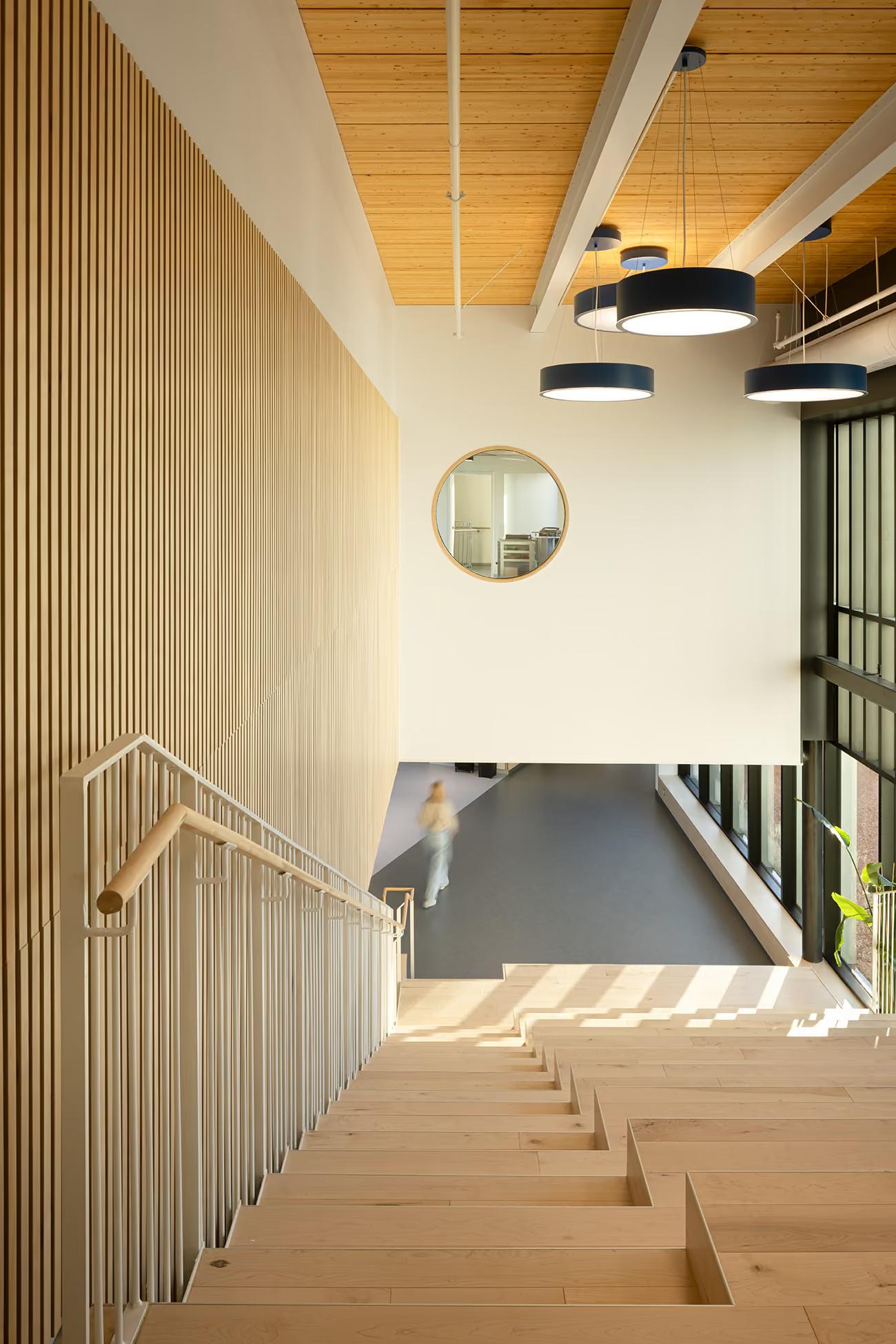
The redevelopment of the site transforms a large asphalt parking lot into a green, open school environment that is fully connected to the surrounding neighbourhood. Classrooms and shared spaces benefit from abundant natural daylight and continuous views toward the courtyard, landscaped areas, and the restored central volume. The extensive use of timber, biophilic design strategies, and careful attention to acoustic comfort create a warm atmosphere that supports learning and well-being. Through its sensitive approach, New Liverpool Elementary School demonstrates how the adaptive reuse of an existing building can become a powerful catalyst foridentity, collective memory, and sustainable development.


